Discover the Vital Support Provided by a CG Contractor for Your Next Project
In the domain of construction, a construction firm is critically important in ensuring project success. Their services encompass extensive project management, budgeting, and coordination of various stakeholders. This knowledge base not only streamlines operations but also handles regulatory adherence and standard maintenance - Hickory top rated Commercial General Contractor. Understanding these essential services can significantly affect the outcome of your project. What specific benefits can a construction manager provide for upcoming project?
Thorough Project Oversight
Detailed project administration is essential for the effective delivery of development ventures. It requires a structured approach that includes planning, coordination, and management of a build from beginning to end. A GC is key in this process, guaranteeing that all project components align with the client's vision and compliance mandates.
Effective project management includes defining project scopes, timelines, and expected outcomes while ensuring open dialogue among team members. The contractor organizes specialized workers, manages resources, and oversees quality assurance to make sure the build meets defined requirements. In addition, a thorough project strategy utilizes risk management methods to spot issues ahead of time and formulate backup strategies.
Ultimately, thorough project management encourages cooperation, simplifies operations, and boosts the probability of completing a build on time and within the specified guidelines, thereby maximizing client satisfaction and successful outcomes.
Financial Planning and Cost Management
Effective project management naturally leads to the need for stringent budgeting and financial oversight. A commercial general contractor is key in establishing a clear financial framework for a project. This involves thorough budget forecasting based on project specifications, labor, materials, and machinery. By identifying potential financial risks early, the contractor can execute methods to reduce these risks, ensuring that the project does not exceed the allocated funds.
In addition, ongoing tracking of spending throughout the project lifecycle is essential. The general contractor utilizes tools and methods to measure spending compared to the budget, enabling proactive adjustments if required. This meticulous methodology not only helps in avoiding cost overruns but also improves fiscal responsibility for every stakeholder. Ultimately, effective budgeting and cost control create a clear fiscal atmosphere, which permits educated choices and the distribution of resources, a factor essential for the successful delivery of all construction work.
Liaising with Subcontractors and Vendors

During the execution of a project, managing vendors and subcontractors is essential for maintaining workflow efficiency and adhering to schedules. A commercial general contractor is instrumental in orchestrating these relationships, ensuring that all parties are aligned with the project schedule and deliverables. Open dialogue between the general contractor, suppliers, and subcontractors is essential to minimize holdups and avoid expensive miscommunications.
The GC handles the sequencing of subcontractor work sequences, a process that optimizes operations and maximize resource deployment. Additionally, they manage the procurement of materials from suppliers, making certain that required materials arrive punctually and affordably. By supervising these crucial exchanges, the GC can quickly resolve emerging problems, leading to a more seamless construction process. Ultimately, this coordination does more than just boost project efficiency but also ensures the ultimate success of the construction endeavor, ensuring that all components come together seamlessly.
Meeting Building Codes and Regulatory Standards
Meeting all construction laws and regulations is a core duty of a commercial general contractor, as failure to adhere to these standards may result in major legal and financial penalties. A commercial general contractor needs to have comprehensive knowledge of local, state, and federal further information regulations applicable to construction projects. This expertise enables them to navigate complex legal frameworks, making certain every facet of the project—from planning through completion—comply with necessary standards.
Additionally, contractors often work closely with engineers, architects, and governing agencies to confirm that specifications and plans meet code standards. Through routine assessments and inspections, they are able to detect regulatory problems soon, lessening risk and averting costly postponements. In the end, a firm dedication to following regulations not only safeguards the contractor's reputation but also protects the interests of clients, ensuring that projects are completed successfully and without unnecessary complications.
Safety Oversight and Quality Control
Site safety and quality control are essential elements of a commercial general contractor's role, that fundamentally influence the integrity and outcome of construction projects. Such practices ensure that all work meets established standards
A professional builder implements rigorous inspection processes to confirm that materials and workmanship align with project specifications - Hickory top rated Commercial General Contractor. Frequent site inspections are performed to identify potential hazards and ensure safety compliance among workers. This proactive approach not only protects personnel but also stops costly interruptions and rework resulting from safety incidents or quality issues
Moreover, open dialogue between the contractor, subcontractors, and suppliers is essential in maintaining high standards throughout the project lifecycle. By making quality and safety a priority and safety oversight, a commercial general contractor promotes a sense of ownership, which helps ensure the successful completion of projects on time and within budget
FAQs
Which Projects Can a Commercial General Contractor Handle?
A commercial general contractor can handle various projects, including office buildings, retail spaces, warehouses, industrial facilities, renovations, and new constructions. They oversee the whole operation, guaranteeing quality, compliance, and timely completion of each project.
How Should I Select the Right Commercial General Contractor?
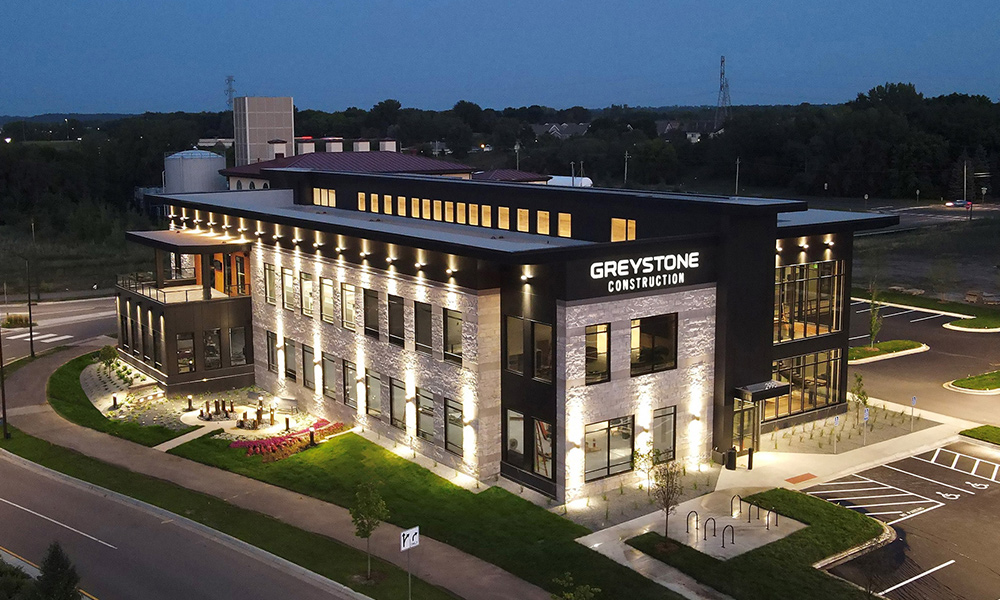
To pick the best commercial general contractor, one should review their expertise, ask for testimonials, determine fiscal robustness, compare project portfolios, and ensure open dialogue. A detailed choosing method can result in positive project results.
What Should I Expect During the Initial Consultation?
During the initial consultation, clients can expect discussions about desired outcomes, timelines, cost projections, and contractor capabilities. This meeting provides a starting point for creating shared comprehension and setting clear expectations between the client and contractor.
How Do Builders Handle Project Timelines Effectively?
Contractors efficiently handle project timelines by utilizing detailed planning, establishing specific targets, managing timetables, and maintaining open communication with all stakeholders. They also reallocate resources as required to mitigate delays and reduce possible hold-ups.
What Advantages Come From Employing a General Contractor Versus DIY?
Engaging a general contractor offers expertise, managing the entire project, and the availability of a network of qualified experts. This ensures superior craftsmanship, finishing on schedule, and meeting all legal requirements, which significantly lowers anxiety and unnecessary expenses compared to self-managed projects.
Comments on “Securing Master General Resources”